workplace-sexual-harassmentIt is commonly known that sexual harassment at workplace involves unwelcome acts of sexual nature by a co-workers or a supervisor, such as unwelcome touching, repeated unwanted propositioning, conditioning employment or promotion on sexual favors, etc.

Offensive conduct, however, need not be sexual in nature to create a hostile work environment in the workplace. Hostile non-sexual conduct (or language) directed at an employee because of his or her gender may create an actionable hostile environment. A pervasive pattern of abuse violates Title VII even if not motivated by sexual desire to drive women out of the organization. Rude overbearing, loud, vulgar and generally unpleasant comments by a male supervisor toward female subordinates, coupled with physically aggressive (though non-sexual) actions, may constitute sexual harassment if male subordinates were treated with proper respect. Interestingly enough, the fact that there were more women than men in the office does not make a difference.

A non-sexual conduct that singles out an employee based on gender may also be actionable and constitute sexual harassment/hostile work environment . In one California case, a hostile work environment was shown by evidence that male police officers engaged in overtly hostile acts toward female police officer, including stuffing her shotgun barrel with paper so that the weapon would explode if fired, spreading untrue rumors about her abilities, singling her out for unfavorable work assignments and shifts, making false complaints about her performance, and even threatening to disrupt her wedding.

workplace-investigation-californiaUnder California law, an employer is required to promptly and thoroughly investigate any claim of harassment, discrimination, or retaliation through a formal workplace investigation. The obligation to investigate arises out of the affirmative duty under the Fair Employment and Housing Act, Cal. Gov. Code section 12940(j) and (k) to take all reasonable steps necessary to prevent discrimination and harassment from occurring. The duty to investigate a harassment claim promptly and throughly exists whether or not the claimant consents to an investigation or cooperates with one. Further, neither an employee’s failure to report harassment nor the fact that the harassment stopped before the investigation began conclusively absolve an employer from liability for discrimination and harassment. Moreover, it is not enough for an employer to conduct an investigation without also taking measure to protect the employee from retaliation.

Employer’s failure to investigate an employee’s complaint adequately may violate California anti-discrimination laws. To be adequate, the investigations should be commenced immediately or as soon as practicable, and be completed as soon as circumstances reasonably allow. Investigations commenced within a day or days of a complaint and completed within a two-week period have been routinely upheld as timely. Waiting until after the complainant has filed an administrative charge with DFEH or EEOC will be presumed inadequate.

While the complaint is undergoing investigation, the employer should take steps to prevent contact between the complaining employee and the alleged harasser, such as rescheduling or placing the alleged harasser on leave.

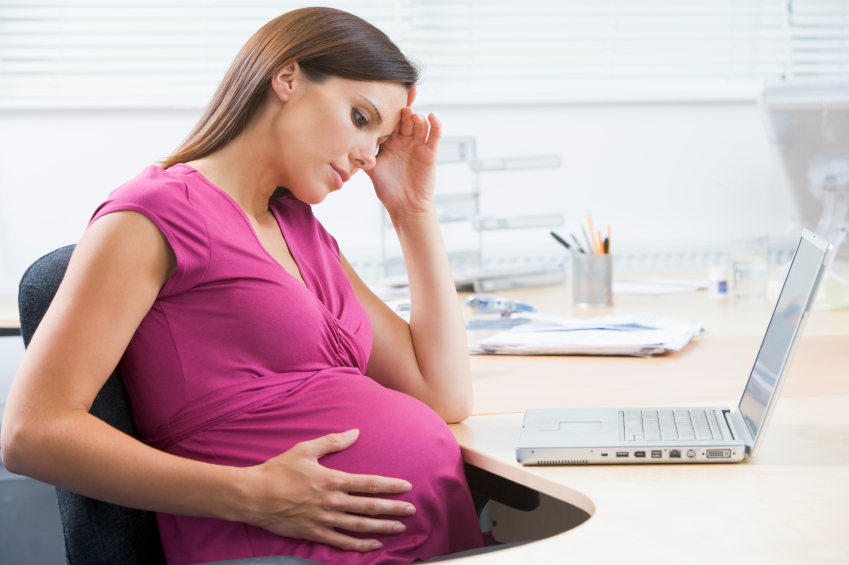
pregnancy discrimination laws californiaSeveral laws protect California women from pregnancy discrimination at workplace. These laws interact with each other in complex ways. Each law and protection may or may not apply depending on the size of the employer, the employee’s length of service, and other facts. Some leaves run concurrently, while others don’t.

There are three statutes that directly related to leave during and after pregnancy: California Pregnancy Disability Leave Law (PDLL), California Family Rights Act (CFRA) and the federal Family and Medical Leave Act (FMLA)

California’s Pregnancy Disability Leave Law is the most inclusive and should be looked at first in determining a woman’s entitled to protected leave. All California employers with at least five employees are covered. Pregnancy disability leave is available regardless of a woman’s length of service with a covered employer, and it is available to both full and part-time employees.

Contact Information