 San Francisco Employment Law Firm Blog


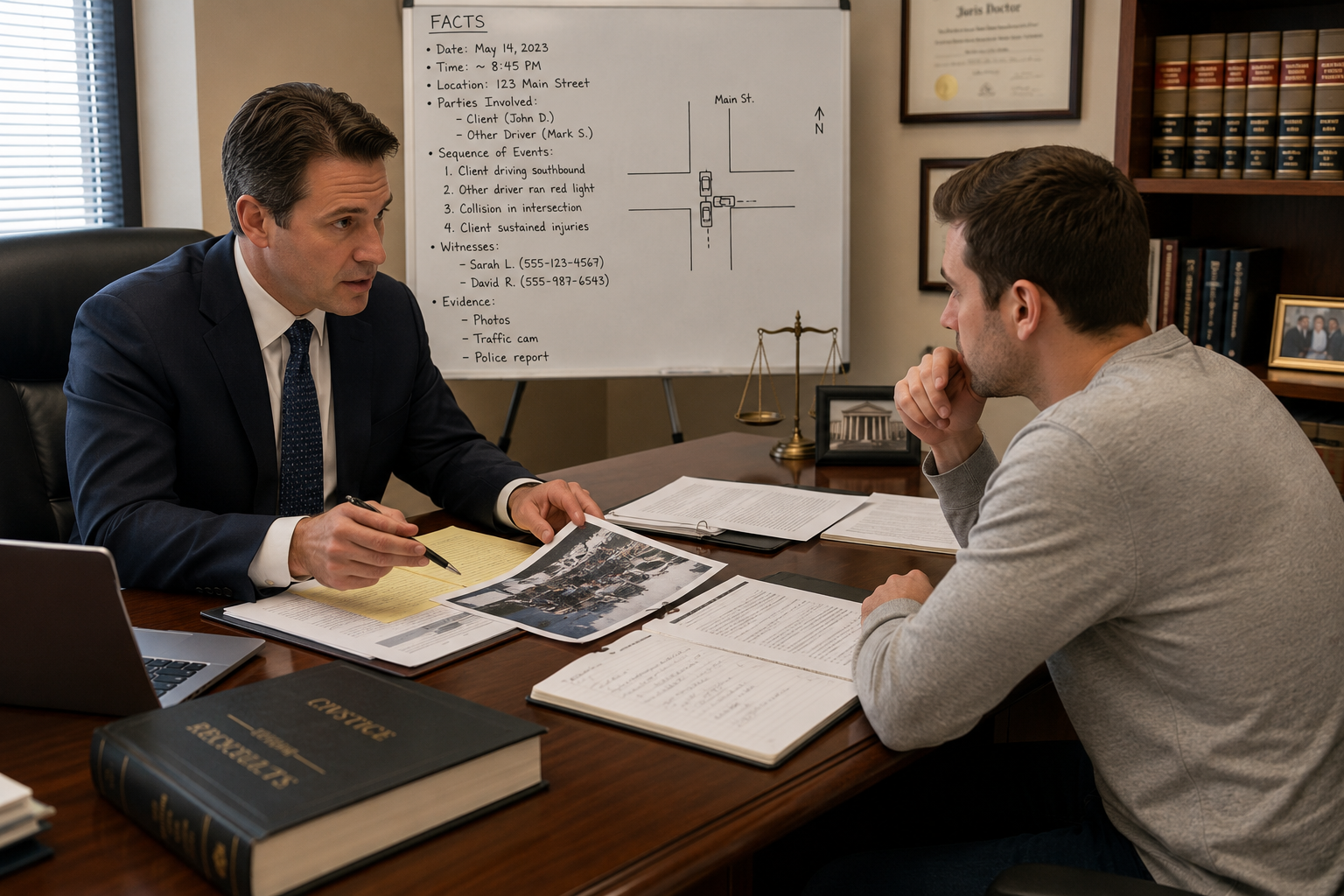 In almost every California employment case, the employee and the employer have very different explanations for what happened. An employee may believe that he was fired for discriminatory or retaliatory reasons. The employer will claim that the same employee was fired for performance issues, poor attendance, misconduct, or a combination of the above reasons. Whether those reasons are true is a separate question. The important point is that they will almost certainly become part of the case.
When our office evaluates a potential wrongful termination case, we certainly want to hear why the employee believes the termination was unlawful. However, we also want to know:
- What criticisms did your employer make about your work?
- Were you ever written up?
- Did you receive poor performance evaluations?
- Were there customer complaints?
- Did you violate any workplace policies?
- What reason did the employer give for terminating you?
- Which witnesses are likely to support the employer v support you?
- What documents could present an obstacle to proving your case?
- Have you sued one or more employers in the past?
- Was there anything untruthful in your job application when you initially applied for a job with the same employer?
- Do you have any recent criminal convictions that the opposing side could use to attack your credibility?
These questions are not designed to discourage a client. They are designed to both determine whether the case is actually worth pursuing in light of all the facts (positive and negative) and if so – prepare the case for litigation and have as few surprises as possible later in the case.
Some clients worry that revealing unfavorable facts will hurt their chances of finding legal representation. In reality, experienced employment attorneys understand that very few cases are “perfect” and that’s not what they are looking for. What matters is whether those issues can be explained, placed into context, or overcome with credible evidence.
The earlier your attorney understands both, the strengths and the weaknesses of the case, the better they can evaluate your legal claims, identify additional evidence to obtain, interview the right witnesses, and develop a strategy for responding to the employer’s anticipated defenses. Share with your attorney the difficult facts as well as the favorable ones as early as possible (during your initial consult). Those conversations often make the difference between a case that is merely filed and a case that is prepared to withstand the employer’s defenses from day one.